
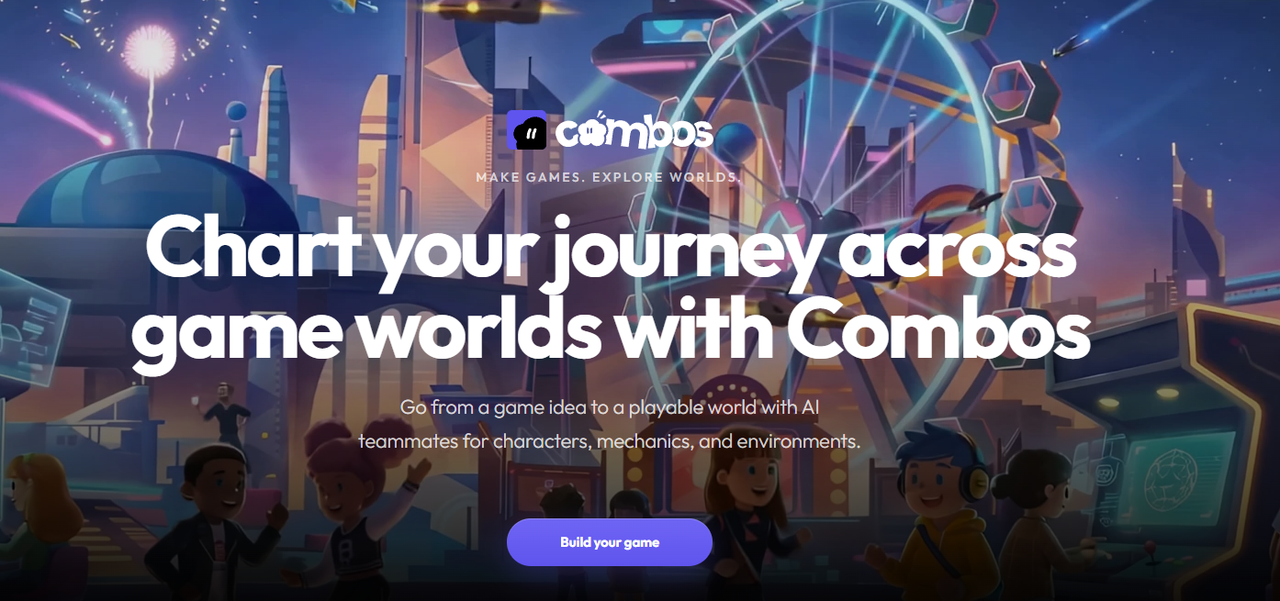

A one person team used to be at a permanent disadvantage in game development. A studio could split the work: someone on art, someone on code, someone on level design, someone on sound. A solo creator had to either learn all of it, badly, or pay for freelancers they often couldn’t afford. That math is starting to change, and it’s changing because of tools that treat “solo creator” as the default user rather than an edge case.
One Person, Every Role
The role collapse is the real story here. Art generation, level layout, gameplay logic, and publishing used to each demand a different tool and a different skill set. Now a solo builder can move through concept, prototype, and shareable link inside one workspace, with the AI handling the parts that used to require a specialist.
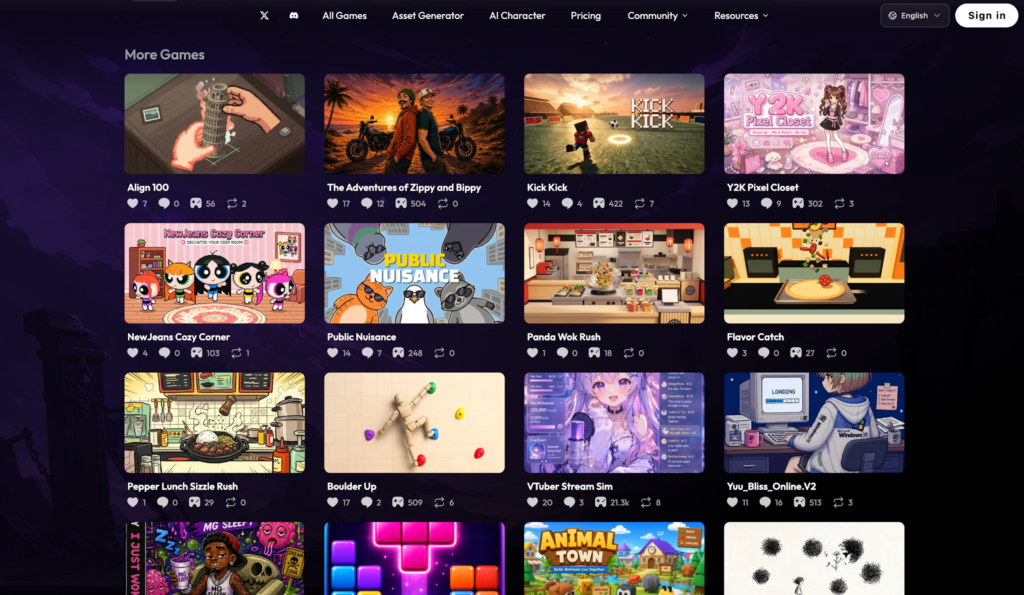
This is where an AI video game maker changes the math for a solo creator specifically. On Combos, you describe your concept in plain language and the system produces a structured Game Design Document, then generates the systems, level design, and characters that make it playable. There’s no separate art pipeline to manage and no engine documentation to read before you can press play. The gap between “I have an idea” and “I have something people can test” shrinks from weeks to hours.
Prototyping at the Speed of Thought
Solo creators live and die by iteration speed. If testing a new idea costs a week of setup, you test fewer ideas, and the ones you do test get less honest feedback because you’re emotionally invested after all that effort. Fast iteration is what makes creative risk affordable.
That’s the appeal behind what people now call vibe coding: describing a concept by feel and letting AI translate it into a working build instead of hand coding every system. Combos builds a full feature around this idea. A vibe coding game on the platform starts with a description of the mood, story, or gameplay style you’re chasing, either from a template like “3D Platformer” or from a blank “Build from Scratch” start. The AI generates logic, assets, and a playable prototype from that description, and you refine details afterward in the no-code editor.
For a solo creator, that means a bad idea gets discovered in an afternoon instead of a month, and a good idea gets built out while the enthusiasm for it is still fresh.
The Parts That Used to Require a Team
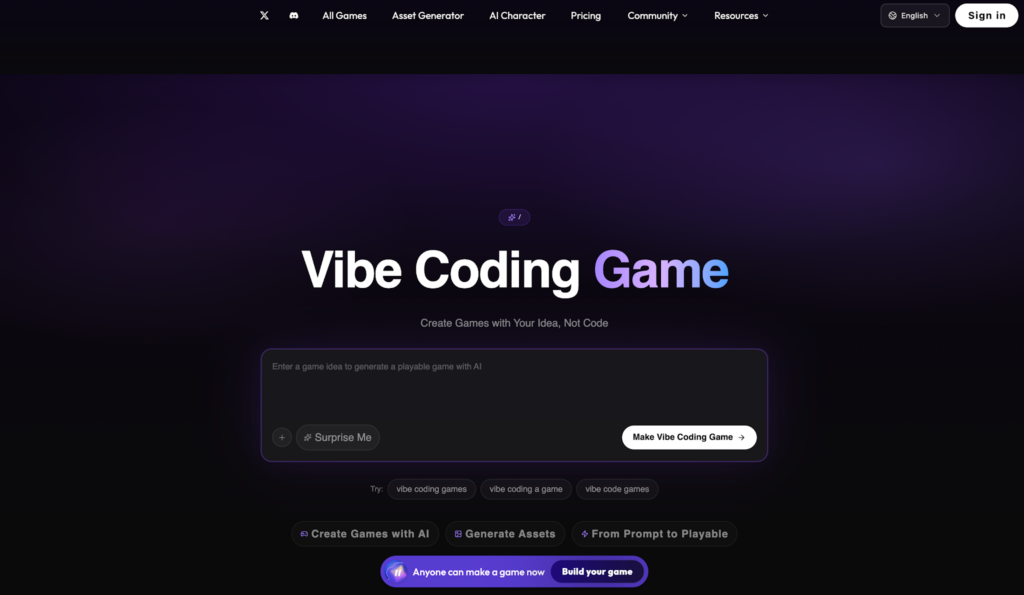
Version control, asset libraries, and multi-genre support used to be reasons to hire people. Combos folds them into the core workspace instead.
Project management stays lightweight but real. Version history, automatic saving, and a reusable asset library mean a solo creator doesn’t lose work or rebuild the same character three times across different projects.
Genre isn’t a technical decision anymore. A 2D platformer, a 3D sandbox, a visual novel, and a puzzle game all live in the same tool, so a solo creator can chase whatever idea shows up that week instead of being locked into whichever engine they originally learned.
Publishing takes one click. A finished or in-progress build deploys to the cloud with a link that updates as edits happen, which matters a lot for a solo creator who wants to post a build on a Discord server or forum for quick feedback without setting up hosting.
The Cost of Getting It Wrong Also Drops
There’s a quieter benefit that doesn’t get talked about as much: when building costs almost nothing, being wrong costs almost nothing too. A solo creator working the traditional way often only gets one real shot at a concept, because building it consumed most of their available time and energy. If that one shot misses, discouragement sets in fast, and a lot of promising creators quietly stop there.
When a first attempt takes an afternoon instead of a month, being wrong stops being a crisis and starts being useful information. A mechanic that doesn’t land can be reworked the same day. A genre that doesn’t suit the creator’s strengths can be abandoned without much sunk cost. That freedom to fail cheaply and often is arguably a bigger deal for solo creators than any single feature of the platform itself, because it changes the emotional math of trying something new.
Who This Actually Serves
The obvious audience is the classic indie developer working nights and weekends. But the group that benefits most might be people who never considered themselves developers at all: a writer with a story that wants to be interactive, a hobbyist illustrator who wants their art in a playable world, a student experimenting with design before ever touching a real engine. All of them can build a real prototype without first becoming a programmer.
Shipping Beats Perfecting
There’s a quiet trap in solo development: perfecting a project so long that it never actually ships. Faster tooling doesn’t just make building easier, it makes shipping easier too, because a “finished enough” build takes hours instead of months to reach. That changes the psychology of the whole process. Instead of one giant project you’re afraid to release, you end up with several smaller ones you can actually put in front of people.
That’s arguably the biggest win here. Not that AI makes any single creator faster at any single task, but that it changes what a solo creator can reasonably attempt in the first place. A game that once needed a team of four can now start as one person’s evening project, and whether it stays that way or grows from there is entirely up to how far the idea deserves to go.
Read More: bato-to.com
