
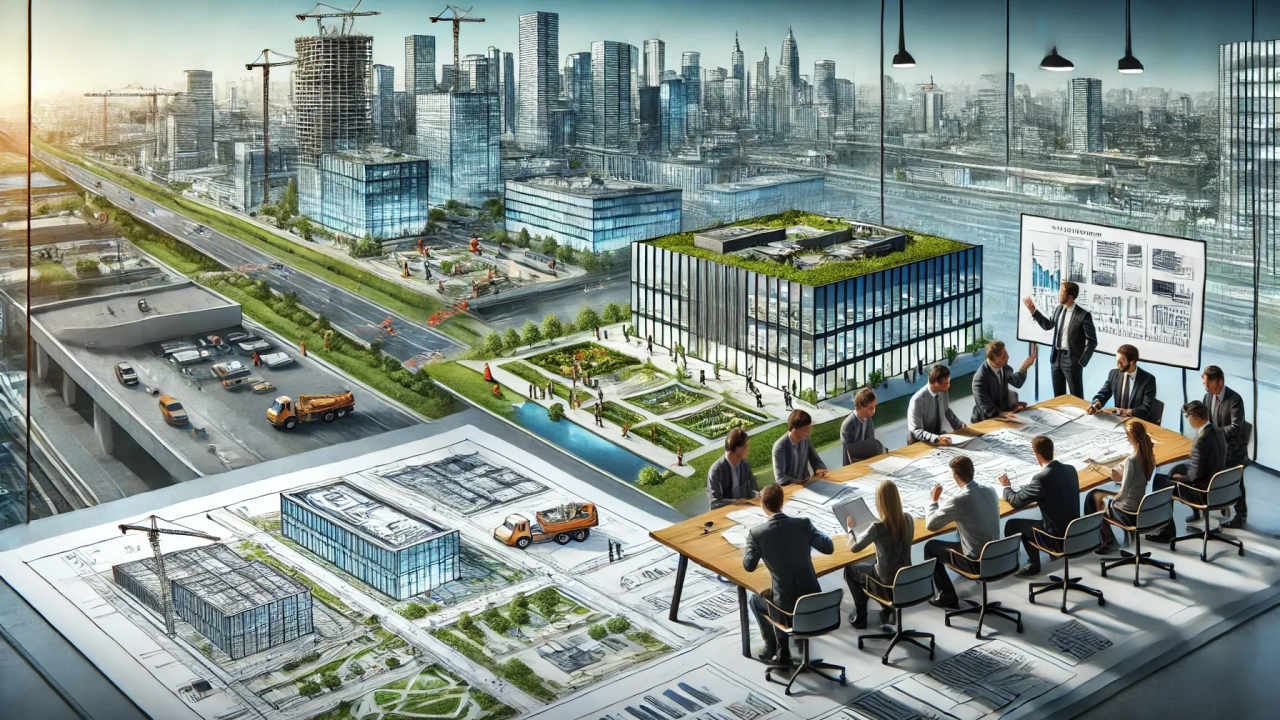

Executing large-scale infrastructure and industrial projects requires more than just essential blueprint drafting and resource allocation. When complex responsibilities spread over years, small oversights within the initial stages compound into excessive cost overruns, structural vulnerabilities, and operational bottlenecks down the road. Advanced planning bridges the gap between bold structure and sustainable truth by setting up easy risk mitigation protocols, optimizing supply chains, and setting measurable milestones. By prioritizing thorough pre-introduction strategies, stakeholders guard their investments, streamline everyday online operations, and ensure that the finished structure promises enduring value for decades.
Defining Clear Objectives and Feasibility Benchmarks
Before breaking ground, each essential construct needs to go through rigorous structural, environmental, and monetary checks. Setting concrete feasibility metrics prevents scope creep and ensures that each engineering desire aligns properly with the long-term strategic vision.
- Risk Assessment: Identifies geotechnical, environmental, and regulatory hurdles preceding site mobilization.
- Budget Alignment: Establishes obvious capital expenditure limits and emergency contingency funds.
- Timeline Optimization: Creates sensible, phased transport schedules that account for supply chain variances.
Collaborating early with a professional construction company in Oman allows developers to navigate complicated local compliance recommendations, local weather-demanding situations, and logistical constraints effortlessly.
| Assessment Category | Estimated Value | Risk Level | Recommended Action |
| 🔍 Site Investigation | $80,000 | 🟢 Low | Complete before design |
| 🌿 Environmental Study | $55,000 | 🟡 Medium | Obtain regulatory approvals |
| 🏗️ Structural Analysis | $95,000 | 🟢 Low | Validate foundation design |
| 🛡️ Contingency Budget | 10% of Project Cost | 🟡 Medium | Reserve before procurement |
| 📅 Schedule Planning | 6 Weeks | 🟢 Low | Finalize project milestones |
| Direct Assessment Subtotal | $230,000 | — | Excludes variable % contingency |
Key Takeaways & Operational Focus
- Direct Financial Assessment Total: $230,000 in fixed engineering, environmental, and site testing costs.
- Variable Financial Buffer: The Contingency Budget is pegged dynamically at 10% of Total Project Cost to protect procurement stages against price fluctuations.
- Critical Path Action: Environmental Study carries a Medium Risk rating and requires early regulatory sign-offs before site work begins.
- Timeline Target: 6 Weeks allocated for schedule baseline and milestone finalization.
Integrating Modern Building Technologies and Materials
Modern mega-systems depend on current materials and digital modeling to preserve integrity under extreme environmental conditions. Integrating advanced technology for the duration of pre-construction lets companies simulate standard performance and catch layout flaws in advance before physical installation begins.
- BIM Modeling: Creates interactive 3-D visual models to find out change clashes before artwork begins on-site.
- Energy Efficiency: Incorporates high-performance insulation and intelligent HVAC routing for lower lifecycle expenses.
- Material Precision: Utilizes pre-engineered and modular components to boost assembly times.
Partnering with dependable Stainless Steel Manufacturers guarantees access to high-grade, corrosion-resistant alloys critical for keeping structural durability in worrying environments.
| Technology | Initial Investment | Annual Savings | Estimated Payback |
| 💻 BIM Modeling | $140,000 | $60,000 | 2.3 Years |
| 🏗️ Modular Construction | $320,000 | $115,000 | 2.8 Years |
| 🌡️ Smart HVAC | $250,000 | $78,000 | 3.2 Years |
| 🧱 High-Performance Insulation | $170,000 | $48,000 | 3.5 Years |
| Combined Technology Portfolio | $880,000 | $301,000 | ~2.9 Years |
Key Investment Highlights
- Fastest Capital Recovery: BIM Modeling delivers the shortest payback window (2.3 Years), generating $60,000 in annual savings against a $140,000 initial outlay.
- Largest Financial Yield: Modular Construction requires the highest upfront investment ($320,000) but drives the largest annual impact ($115,000/year), breaking even in 2.8 Years.
- Portfolio Overview: Implementing all four technologies requires a combined capital commitment of $880,000, delivering $301,000 in recurring annual savings for a weighted portfolio payback period of 2.9 Years.
Optimizing Supply Chain and Resource Allocation
Large construction projects require lots of raw materials, heavy equipment, and specialized hard work to achieve in unique synchronization. Strategic procurement frameworks save you expensive machine downtime due to late or non-on-time shipments or material shortages.
- Vendor Vetting: Establishes rigorous quality assurance requirements for all primary and secondary suppliers.
- Inventory Control: Uses real-time tracking systems to monitor fabric shipping and storage on a web page.
- Waste Reduction: Orders tailored fabric quantities to lessen spatial congestion and decrease disposal fees.
Coordinating Multidisciplinary Teams and Stakeholders
Complex projects bring together architects, structural engineers, trade contractors, and regulatory inspectors. Advanced communication protocols ensure each party operates with elegant readability regarding obligations, safety requirements, and undertaking timelines.
- Centralized Reporting: Utilizes cloud-based management software to maintain a single source of project data.
- Safety Protocols: Implements standardized website safety policies to defend employees and maintain compliance.
- Quality Audits: Schedules regular inspection checkpoints to verify work quality at every completed stage.
Top-tier Construction Management Companies offer the most beneficial oversight required to align numerous corporations and keep multi-million-dollar builds on schedule.
Ensuring Lifecycle Performance and Maintenance Preparedness
True construction success extends a long way beyond the ribbon-cutting ceremony. Advanced planning incorporates long-term facility management requirements into the initial design phase, dramatically reducing lifetime renovation expenses.
- Asset Tagging: Documents installation systems and warranties for effortless post-occupancy facility preservation.
- Adaptable Design: Incorporates flexible ground plans to deal with future structural expansions or reconfigurations.
- Sustainability Focus: Selects recyclable, resilient substances that lower future maintenance waste.
Final Thoughts
Advanced planning isn’t always genuinely a preliminary phase in big-scale construction; it’s the cornerstone of structural sturdiness, financial protection, and operational performance. By investing time and resources in complete feasibility research, high-quality material selection, and rigorous management frameworks, builders ensure their tasks stand as long-term benchmarks of excellence.
Frequently Asked Questions
1. Why is pre-construction planning so critical for big construction projects?
Pre-construction planning lets in task leaders identify design mistakes, environmental risks, and supply chain bottlenecks before major capital is committed. Resolving conflicts on paper or in virtual three-D fashions prices a fraction of fixing errors on a live construction site.
2. How does advanced planning assist in managing manufacturing costs?
Advanced planning establishes accurate material takeoffs, sensible labor allocations, and smooth contingency budgets. This proactive oversight minimizes sudden change orders, prevents costly task delays, and reduces material waste.
3. What role does fabric preference play in long-term construction achievement?
Selecting high-grade, long-lasting, and weather-suitable materials ensures structural integrity over decades. Superior materials decrease ongoing upkeep costs, beautify electricity universal performance, and withstand environmental stress, keeping the asset’s normal market value.
4. How do virtual devices like BIM enhance the planning phase?
Building Information Modeling (BIM) creates precise 3-D digital representations of the assembly. It allows multidisciplinary teams to identify spatial clashes between plumbing, electrical, and structural factors in advance of physical construction starting, speeding up execution.
5. What is the function of specialized management organizations in fundamental builds?
Specialized management teams oversee communication across all trades, enforce protection and amazing requirements, monitor budget metrics, and keep complex timelines heading in the right direction from initial site training to final handover.
Read More: Bato.to
