
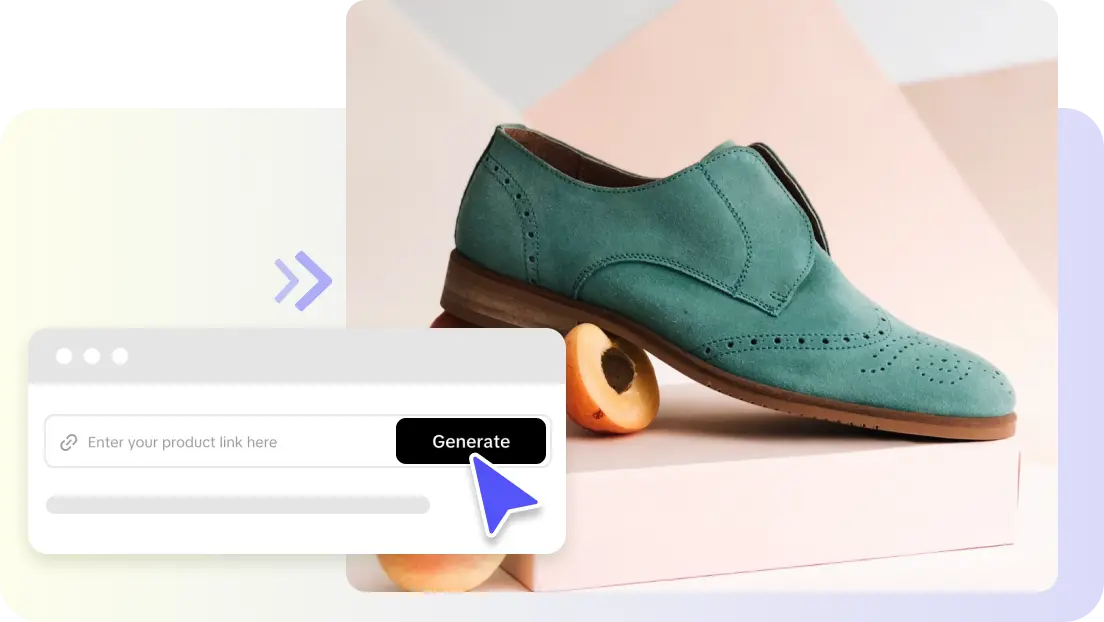

Concept testing can identify issues early on to prevent costly production issues later. Decisions about visuals can seem unclear, and pacing can detract from a strong story. Story direction can also shift once characters, scenes, and presentation elements are shown together. Pippit offers a structured environment to explore these choices prior to more extensive production. It offers a creative workflow for roles, scenes, prompts, and video assets all in the same project. Low-commitment experimentation is great for AI films, product videos, dramas and social content. The quicker drafts can also assist creators in comparing ideas before committing resources.
Identify the Video Elements That Need Testing First
By testing the correct elements first, it is possible to see if the concept is conveying its purpose clearly. The opening hook of an AI movie must set up the story’s theme or problem or tone swiftly. The product video should be ready with immediate context, where the product is understandable. Another aspect that should be considered is the direction of the scene, as environments can affect mood, action, and meaning of the story. Assess if the spaces will accommodate the desired flow, ambiance, illumination, and visual interest. The same applies to the behavior of characters, especially when they have to convey emotions naturally. Look for similarities and differences in expressions, movement, interactions, poses, and relationships of characters in early drafts. Careful testing of visual treatment should also be conducted prior to detailed production. Interpretations of the audience can vary with camera angle, composition, lighting, atmosphere, and stylistic choices. When information is in the text, dialogue, audio directions, or product context, then the delivery of the message is important. By testing these things early, it provides a better base for future creative decisions.
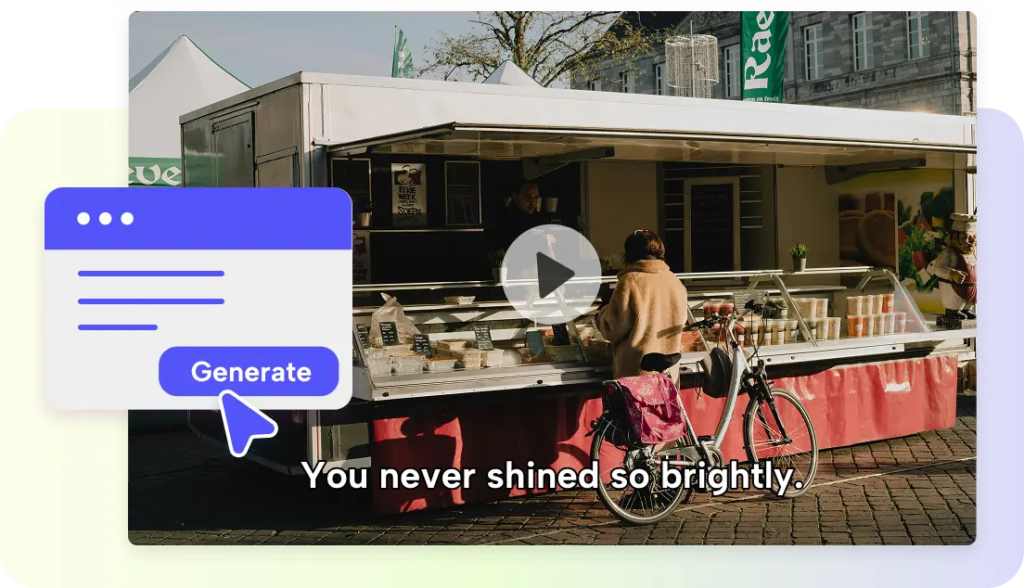
Create Several Concept Directions Instead of One First Draft
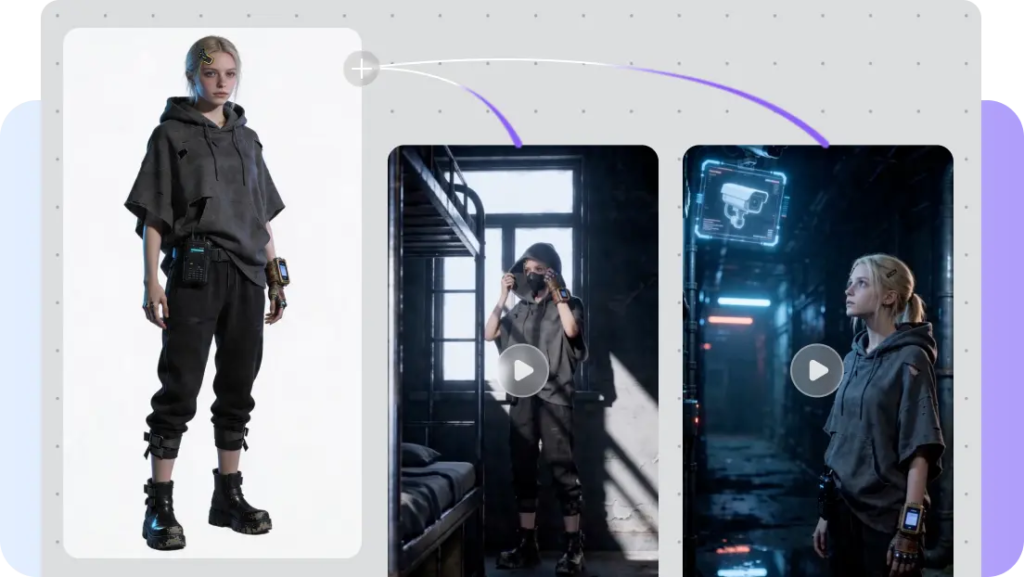
Generating alternatives can reveal more potential than the development of a first idea. This comparison is possible with the story studio workflow, connected roles, scenes, prompts, and assets. Don’t change everything; change one big creative element in each test. Vary the story hook and see the difference in attention. Then, experiment with different scenes to see which one is most conducive to the story. Changes in character direction can be expressed by means of expression, pose, clothing, behaviours, or interactions. Styles can be either realistic, cinematic, minimal, illustrative or very stylized. Mood also affects the viewer’s perception of the same story event. Another helpful variable for testing out the visual emphasis and movement is camera approach. Experiment with larger compositions, tighter framing, movement, or controlled camera direction. It helps to keep these versions organized on one canvas, thus eliminating confusion while comparing. It also makes it easier to see if the concept was improved due to the creative decision that was made with good organization.
Use Seedance 2.0 Mini for Faster Video Concept Drafting
The Seedance 2.0 Mini can help to facilitate faster and lower-cost video drafts within relevant Pippit workflows. Creating short drafts allows for exploration of ideas without building full production assets. A dramatic moment is a good way to check if character movement is in sync with the beat of emotion. Framing can be proven through a product scene: Does the framing convey product value? Social videos are a great opportunity to experiment with hooks, transitions, video pacing, and attention-focused compositions. Rapid visual iterations can also be used to test out various presentation styles within the marketing concept. For an ad maker workflow, having multiple ideas for an ad opening before production can be helpful. Drafts should not be automatic production substitutes, but concept tests. The primary benefit of them is that they can identify strengths, weaknesses, and inconsistencies in creativity at an early stage. Evaluate prompts with varying scenes, camera directions, character actions, and visual treatments. Next, choose the direction that will help best to achieve the original communication goal. Rapid testing provides improved production planning as production is based on observed results.
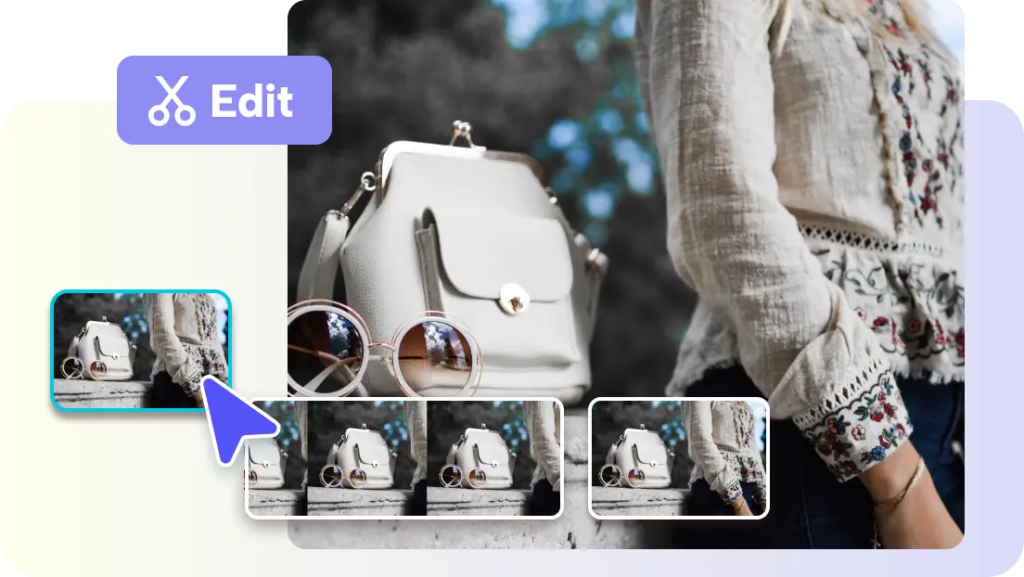
Steps to Test Video Concepts Before Production with Story Studio
Step 1: Turn your concept into a test story
- Sign up for Pippit using your Google, TikTok, or Facebook account information.
- Select the “Story Studio” tab from the left vertical menu on the home page to access the workspace.
- Add your concept script with “Upload script”. You can also write or paste it through “Paste script”.
- Use “AI scriptwriter” from the top menu to develop a script for your video concept.
- Explore the “Style library” at the bottom left of the dialogue box and choose a style that matches your idea.
- Click “Default ratio” to test your concept in a custom aspect ratio. Use “Episodes” to select the number of episodes.
- Press “Generate” to create the script and turn the concept into testable video content.
Step 2: Build a concept prototype
- Use the “Canvas” tab to add images, scene videos, and audio. You can also identify characters and assign roles to shape the concept more clearly.
- Write prompts for each part of the test video. Include character look, setting, lighting, camera angle, style, voice tone, story mood, or product context.
- Once the roles, characters, and scenes are ready, click “Batch generate” to generate the episodes and test the concept quickly.
Step 3: Refine before production
- Review the episodes and make changes to characters, roles, scenes, audio, and other elements before moving into full production.
- If the concept works well, click “Select all” and then “Download” to save the generated episodes to your device.
Compare Concepts Using Specific Creative Variables
Comparing two or more concepts is best done if both are evaluated using consistent creative criteria. First, establish visual clearness and whether viewers can quickly understand the scene. Mood should be appropriate to the desired emotional reaction, not just being “showy” or “impressive”. Also, it is important to pace your editing; too quick can give energy but not necessarily narrative clarity. Try out various beginnings and determine which one conveys the main idea earlier. Framing should be compared in camera approaches, as it directs attention and focus. Realistic or Stylized treatments can give vastly different impressions of the same concept. The character changes can create a dramatic, humorous, serious, commercial, or intimate feel to a given scene. The scene shifts can also shift the perceived story without altering the fundamental story.
Refine Winning Concepts Before Expanding Production
The most successful idea could still be developed before taking it to full production. Enhance prompts for character appearance, locations, camera angles, lighting, movement, and audio direction. Particular prompts can help to minimize ambiguity and to establish more predictable visual relationships. Character prompts should carry over salient identity features from one scene to another. Location prompts should describe environmental details that impact continuity and atmosphere. Camera prompts can designate framing, camera motion, point of view, and emphasis. Lighting instructions can create a consistent mood throughout scenes and episodes. Audio direction should help to explain voice qualities, delivery of dialogue, sound effects, or musical atmosphere. See if the chosen concept can be developed further into other scenes without changing the main concept.
Scale Tested Ideas into Organized Episode Assets
Once a concept is validated, it can transition seamlessly from experimentation to organized episode development. Create smaller batches of assets when starting by creating roles and scenes needed first. Having a clear definition of roles makes it easier to have recognizable characters in connected scenes. Scene preparation also sets up the environments, actions, lighting, and visual direction required in episodes. When the fundamental elements of the production have been sufficiently developed, use “Batch generate”. Look at the shows that have been reviewed, as great ideas can still lead to not-so-great individual shows. Fix poor characters/scenes/audios/visuels and continue. Pippit’s canvas-based workflow keeps tested concepts connected with their production components. This structure facilitates easier tracking of assets back to their creative purpose.
Conclusion
Concept testing helps minimize uncertainty prior to more in-depth video production. In short drafts, problems with visual, narrative, pacing, character, and presentation are identified earlier. Alternative prompts also enable creators to find better directions without having to start over. Structured comparisons clarify and support purposeful creative decisions. Pippit facilitates this process by linking roles, scenes, media, prompts, and episode assets. Once a concept is proven, it can move into a more structured production with fewer “surprises. Experimentation then becomes a practical way of linking initial concepts to finished video.
