
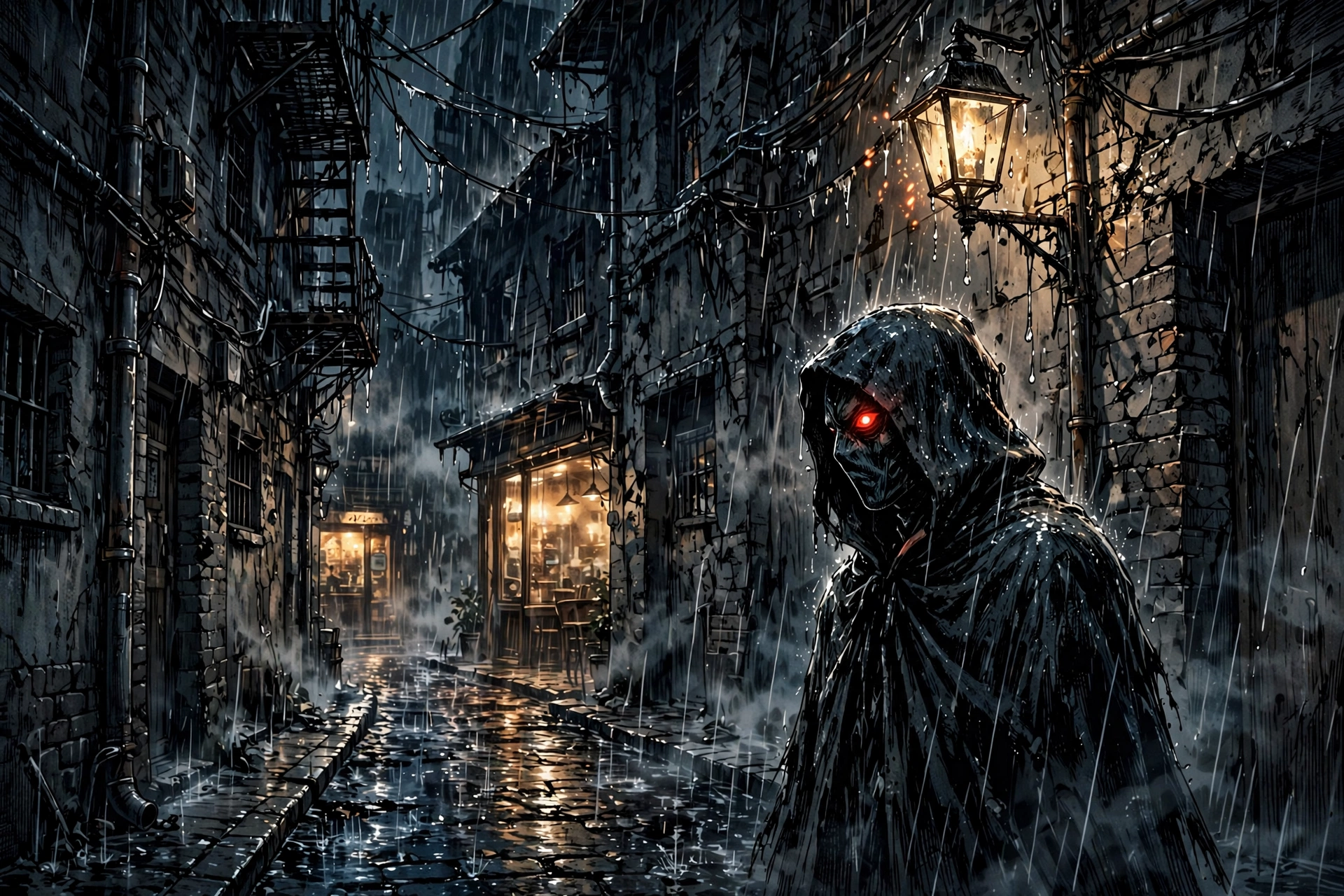

Tokyo Ghoul is one of the defining dark fantasy manga of its generation — a series that turned a horror premise into a tragedy about identity, belonging, and what it costs to survive between two worlds. Sui Ishida’s story of Ken Kaneki, a college student transformed into a half-ghoul, has sold tens of millions of copies and remains a gateway series for readers discovering seinen manga. This guide covers the premise, the characters, the correct reading order, and where to read the manga legally.
What Is Tokyo Ghoul?
Tokyo Ghoul is a Japanese dark fantasy manga written and illustrated by Sui Ishida. It was serialized in Shueisha’s seinen manga magazine Weekly Young Jump, and its chapters were collected into 14 tankōbon volumes. In North America, the manga was licensed for English release by Viz Media, making it widely available in print and digital editions.
The story is set in an alternate Tokyo where humans coexist — unknowingly — with ghouls: beings who look human but can only survive by eating human flesh. Ghouls possess enhanced strength, speed, and regenerative abilities, and each has a predatory organ called a Kagune that manifests as a weapon in combat. When excited or hungry, a ghoul’s eyes transform — the sclera turns black and the iris red — in a mutation called kakugan.
The protagonist, Ken Kaneki, is an 18-year-old university student whose life changes in a single night. After surviving a deadly encounter with a ghoul named Rize Kamishiro, he wakes in a hospital to discover that an emergency organ transplant — using Rize’s organs — has turned him into a half-ghoul. Now he must consume human flesh to survive while desperately trying to hold on to his humanity.
The World of Tokyo Ghoul
Ghouls and the CCG
Ghoul society hides in plain sight. Some ghouls, like the staff of the coffee shop Anteiku, try to live quietly and find alternatives to hunting humans. Others embrace violence. Opposing them is the CCG (Commission of Counter Ghoul), a federal agency tasked with investigating ghoul-related crimes and exterminating ghouls, using weapons forged from harvested Kagune.
This three-way tension — ghouls who want peace, ghouls who want war, and the humans hunting them all — gives the series its moral complexity. Almost no one in Tokyo Ghoul is purely good or purely evil, and the story constantly forces Kaneki (and the reader) to question where the line between monster and human really lies.
Anteiku: A Safe Haven
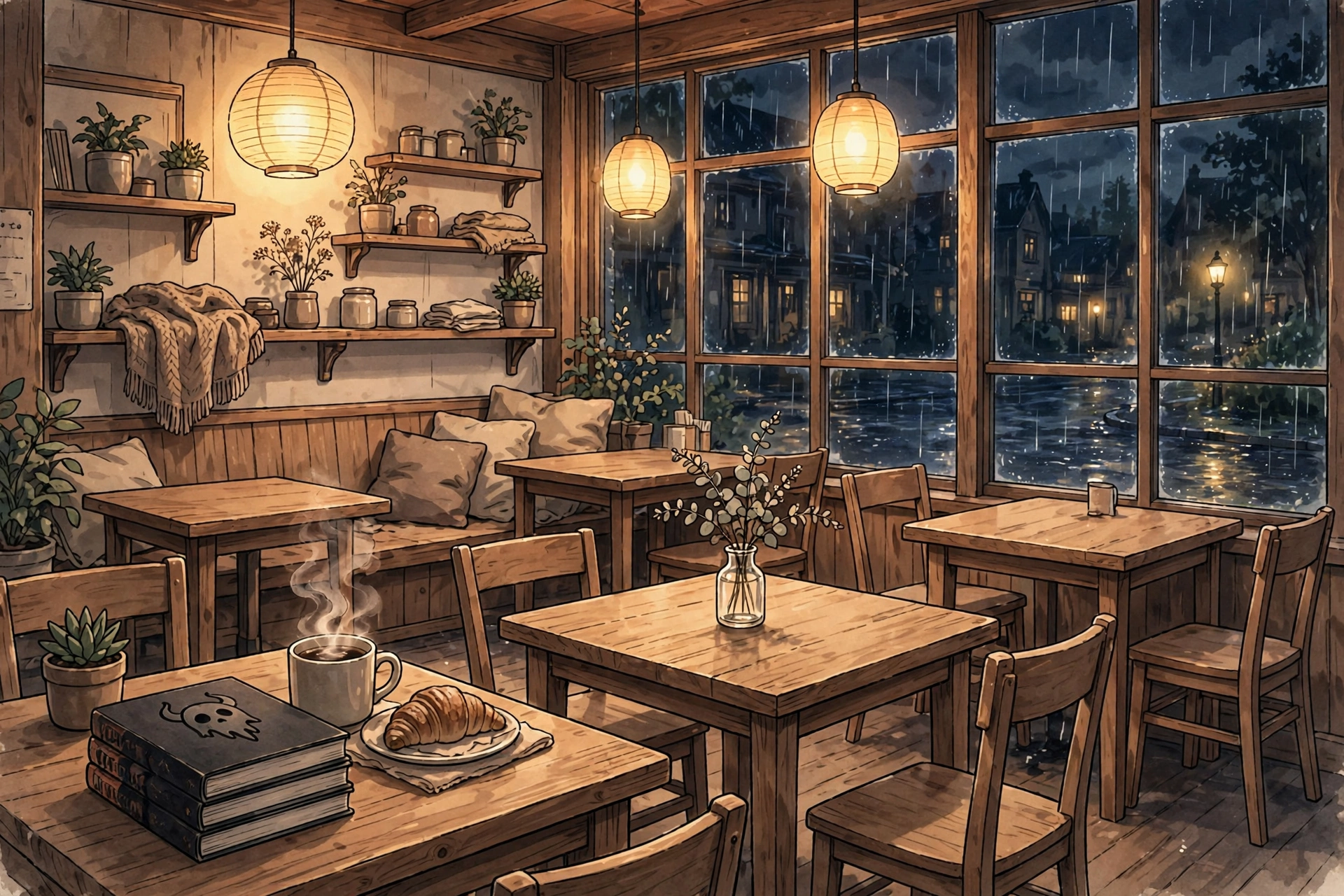
After his transformation, Kaneki is taken in by the ghouls who run Anteiku, a small coffee shop that serves as a front for a ghoul support network. The Anteiku staff teach him how to survive as a half-ghoul: how to suppress his hunger, how to hide his identity, and how to live with what he has become. The coffee shop becomes the emotional home of the series — and what happens to it is one of the story’s most devastating turns.
Main Characters
Ken Kaneki
The protagonist, an ordinary literature-loving college student turned into an artificial half-ghoul. Kaneki’s defining trait is his gentleness — he does not want to hurt anyone, human or ghoul — and the series is largely about how the world punishes that gentleness. His psychological journey, including his famous transformation and his later identity as Haise Sasaki, is one of the most discussed character arcs in modern manga.
Rize Kamishiro
The ghoul whose organs transform Kaneki. Though she appears only briefly at the start, Rize’s influence haunts the entire series — literally, as Kaneki hallucinates her voice urging him to embrace his ghoul nature.
Touka Kirishima
A ghoul working at Anteiku who becomes Kaneki’s closest ally. Touka is fierce, pragmatic, and deeply protective of the people she cares about. Her own struggle to live a normal life while hiding her true nature mirrors Kaneki’s.
Hideyoshi Nagachika (Hide)
Kaneki’s cheerful best friend from university, who remains unaware of Kaneki’s transformation for much of the story. Hide represents the normal human life Kaneki is losing, and their friendship is the series’ emotional anchor.
Kishō Arima
A legendary CCG investigator known as the agency’s strongest weapon. Arima’s true role in the story is one of its biggest revelations, and his connection to Kaneki reshapes everything readers thought they knew.
Tokyo Ghoul Reading Order
The series has a main storyline plus a prequel and a sequel. Here is the correct order:
- Tokyo Ghoul — the original series, 14 volumes. Start here, no exceptions.
- Tokyo Ghoul [Jack] — a prequel spin-off about the younger days of Kishō Arima and Taishi Fura. Best read after the original series.
- Tokyo Ghoul:re — the direct sequel, 16 volumes, set after the original series. Read this last.
There are also light novels (Tokyo Ghoul: Days, Void, Past, and :re: quest) that expand on side characters and fill timeline gaps — optional but rewarding for dedicated fans.
For verified publication details, volume counts, and adaptation history, the Wikipedia page for Tokyo Ghoul is a solid reference.
Manga vs. Anime: Which Should You Choose?
The anime adaptations — a 12-episode first season, a 12-episode second season (√A, which follows an original story), and the two-season :re adaptation — introduced many fans to the series. However, the anime is widely considered inferior to the manga: it compresses storylines, skips crucial character development, and the second season diverges from the manga entirely.
If you want the real Tokyo Ghoul experience, read the manga. Ishida’s art — intricate, grotesque, and beautiful — and his deliberate pacing are essential to what makes the story work. The anime is fine as a supplement, but the manga is the definitive version.
Where to Read Tokyo Ghoul Legally
Tokyo Ghoul is licensed in English by Viz Media, and the complete series is available in print volumes and through official digital manga platforms. Buying or reading through official channels supports Sui Ishida and ensures you get the professional translation. Avoid unlicensed aggregator sites — they hurt the creators and often host poor-quality scans.
Why Tokyo Ghoul Is Worth Reading
- A protagonist unlike any other. Kaneki’s psychological depth and moral struggle elevate the series far above standard horror-action fare.
- Genuine tragedy. The story earns its emotional weight — major events have lasting consequences, and no character is safe.
- Stunning artwork. Ishida’s detailed, often disturbing illustrations are inseparable from the story’s impact.
- Thematic richness. Identity, otherness, cycles of violence, and what it means to be human — the series engages with big ideas without easy answers.
- A complete saga. With the original series and :re both finished, you can read the entire story end to end.
Tips for New Readers
- Start with the manga, not the anime. The anime skips and changes too much to be a substitute.
- Pay attention to the symbolism. Ishida layers the story with literary and visual motifs — numbers, tarot imagery, and recurring phrases reward careful reading.
- Do not skip :re. Some readers stop after the original series, but the sequel completes Kaneki’s arc and recontextualizes everything.
- Take breaks if needed. This is a heavy, often bleak series. It is fine to read it at your own pace.
- Explore beyond horror. If Tokyo Ghoul leaves you wanting more completed manga with emotional depth, our complete guide to My Dress-Up Darling offers a completely different — but equally rewarding — finished series.
Frequently Asked Questions
Is the Tokyo Ghoul manga finished?
Yes. The original Tokyo Ghoul series is complete at 14 volumes, and the sequel Tokyo Ghoul:re is complete at 16 volumes.
Who wrote Tokyo Ghoul?
The series was written and illustrated by Sui Ishida, serialized in Weekly Young Jump.
What is the correct reading order for Tokyo Ghoul?
Read the original Tokyo Ghoul (14 volumes) first, then the prequel Tokyo Ghoul [Jack], then the sequel Tokyo Ghoul:re (16 volumes).
Is Tokyo Ghoul:re a sequel or a reboot?
It is a direct sequel, set after the events of the original series, following an amnesiac Kaneki under the new identity of Haise Sasaki.
Is the Tokyo Ghoul anime faithful to the manga?
Only partially. The first season follows the manga loosely, the second season (√A) tells an original story, and the :re adaptation heavily compresses the manga. The manga is the definitive version.
Is Tokyo Ghoul appropriate for younger readers?
No. It is a seinen series with graphic violence, body horror, and dark psychological themes, intended for adult readers.
Final Thoughts
Tokyo Ghoul endures because it is about more than monsters. It is a story about a gentle person forced to become something he fears, about societies that dehumanize each other, and about the price of survival. Sui Ishida’s manga remains the definitive way to experience it — start with volume one, read through :re, and let one of modern manga’s great tragedies unfold. And when you are ready for something lighter but no less heartfelt, our complete guide to My Dress-Up Darling is waiting.
