
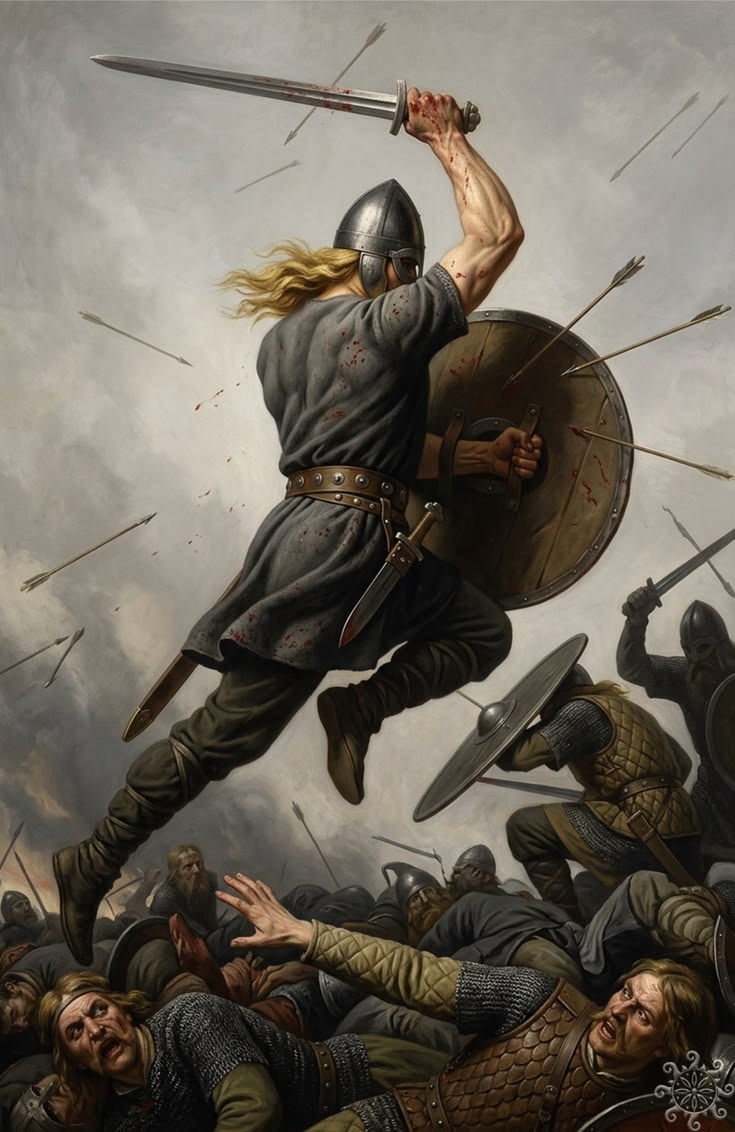

Few manga manage to be as brutal, beautiful, and quietly philosophical as the Vinland Saga manga. Written and illustrated by Makoto Yukimura, this historical epic follows Thorfinn, a young Viking warrior whose life of vengeance slowly transforms into a search for something far greater: a land of peace. Whether you found the series through its anime or are diving into the source material for the first time, the manga offers one of the richest reading experiences in modern comics.
This guide covers the story’s premise, its major arcs, the characters who carry it, the themes that elevate it above a simple adventure tale, and how to read it through official channels. If you enjoy historical manga with deep character writing, you may also want to explore the Kingdom manga, another sweeping historical epic.
The Story of Vinland Saga
The Vinland Saga manga begins in the Viking Age, drawing on the real sagas of Norse explorers and the historical figures of Leif Ericson and King Cnut. Thorfinn is a young boy in Iceland who idolizes adventurers and dreams of far-off lands. That innocence shatters when his father, the warrior Thors, is murdered by the cunning mercenary Askeladd. Thorfinn joins Askeladd’s band of mercenaries — not as an ally, but as a weapon waiting for the day he can challenge his father’s killer to an honorable duel.
What follows is not a simple revenge tale. As Thorfinn fights in the wars between England and Denmark, he becomes hollow: a killing machine who has lost sight of everything except his hatred. The manga then does something remarkable — it dismantles its own revenge plot and rebuilds the story around Thorfinn’s long, painful path toward atonement and purpose. The dream of Vinland, a fertile land across the sea where there is no war and no slavery, becomes the symbol of that hope.
Major Story Arcs
The War Arc
The opening arc plunges readers into the Anglo-Danish wars. Thorfinn fights alongside Askeladd’s mercenaries, racking up kills while chasing his duel. The political intrigue surrounding Prince Canute — later King Cnut — adds weight to every battle, and Yukimura’s battle sequences are among the most dynamic in manga. This arc is thrilling, but its true power is retrospective: knowing where Thorfinn ends up makes this opening all the more devastating.
The Slave Arc
Widely considered one of the greatest arcs in manga, the Slave Arc strips Thorfinn of everything. Broken and enslaved on a farm in Denmark, he must confront the emptiness inside him. Through backbreaking labor and the friendship of fellow slave Einar, Thorfinn begins to rebuild a self from nothing. It is slow, meditative, and profoundly moving — a bold choice for a series that opened as a blood-soaked war epic.
The Expedition Arc
In the final stretch, Thorfinn commits himself to the dream of Vinland: leading an expedition across the ocean to found a community free of violence and slavery. The challenges are enormous — funding, ships, crew, and eventually the people already living in the new world. This arc tests whether Thorfinn’s ideals can survive contact with reality.
Characters Who Define the Series
Thorfinn Karlsefni
Thorfinn’s transformation is the engine of the series. He begins as an impulsive, angry child, becomes a ruthlessly efficient killer, and finally emerges as a man trying to live without a sword. His arc is a study of how violence deforms the soul — and how patience, humility, and community can heal it.
Askeladd
Askeladd is one of manga’s great antagonists: clever, cruel, and secretly harboring his own dreams. His complicated relationship with Thorfinn drives the first arc, and his final actions reshape everything. Readers often find themselves fascinated by a character they also despise.
Canute
Prince Canute starts as a timid, gentle boy and grows into a ruler of chilling resolve. His arc mirrors Thorfinn’s in reverse — while Thorfinn renounces violence, Canute embraces the burden of power and its costs. The two former companions eventually stand on opposite sides of a question: can peace be built, or only enforced?
Einar, Gudrid, and the Expedition Crew
The supporting cast — from the honest farmer-slave Einar to the spirited Gudrid and the pragmatic Leif — gives the series its warmth. Vinland Saga’s later chapters are carried by these characters, who make Thorfinn’s dream feel communal rather than solitary.
Themes That Make Vinland Saga Special
Revenge Versus Redemption
At its core, the manga asks what violence costs the person who commits it. Thorfinn’s revenge never brings peace; it only digs him deeper. The story’s pivot from vengeance to atonement is what elevates it from a good adventure to a great meditation on how to live.
The Search for Vinland
Vinland is both a real historical destination — the Norse name for the lands their explorers reached — and a symbol of a world without war or slavery. Thorfinn’s quest is utopian, and the manga never pretends it is easy. That honesty about how hard peace is to build gives the story its lasting power.
History Meets Fiction
Yukimura weaves real figures — Leif Ericson, King Cnut, Thorkell — into an original narrative. The result feels grounded: ships, settlements, and warfare reflect real research, while the characters’ inner lives are entirely the author’s own. Readers often finish the series wanting to read the actual Norse sagas.
The Art and Craft of the Manga
Makoto Yukimura’s artwork is stunning. Battle scenes are dense and kinetic, packed with armor, weather, and motion, while quieter chapters use light, landscape, and expression to carry enormous emotion. The contrast between the savage opening chapters and the sunlit farm sequences is deliberate and affecting. As the series progresses, the art grows even more refined, with ship designs, Icelandic landscapes, and facial acting that convey whole paragraphs of feeling without dialogue.
Readers who prefer the manga often note how much interior life the page format captures — Thorfinn’s silence, Canute’s stillness — in ways that reward slow reading and rereading.
How to Read Vinland Saga Legally
The best way to support the series is through official releases. Kodansha’s official Vinland Saga page lists the English print and digital editions, including collector’s editions for readers who want the premium experience. Digital manga platforms carry the licensed volumes, so you can read the entire series while ensuring the creator and publisher are supported. Check your local bookstore or library as well — libraries are an excellent, legitimate way to read the full run for free.
Reading Tips for New Fans
- Pace yourself through the Slave Arc: it is slower than the war chapters, but it is the heart of the series.
- Watch for visual symbolism: Yukimura repeats imagery — swords, wheat, the sea — to mark Thorfinn’s growth.
- Read the author’s notes: they reveal how much research went into the Viking Age setting.
- Try the anime first if you like: the adaptations are faithful, then return to the manga for the full depth.
- Take breaks between arcs: each arc is a distinct chapter of Thorfinn’s life, and they land harder with a little breathing room.
Frequently Asked Questions
Who wrote the Vinland Saga manga?
The Vinland Saga manga is written and illustrated by Makoto Yukimura, also known for the science-fiction series Planetes. He has been crafting Thorfinn’s story since the mid-200s, blending Norse history with original characters.
Is the Vinland Saga manga finished?
The manga’s main story has concluded its serialization run, giving readers a complete narrative from Thorfinn’s childhood through the Vinland expedition. English editions continue to release through official channels.
How is the manga different from the anime?
The anime adaptations are largely faithful, but the manga offers more internal monologue, author notes, and subtle visual storytelling. Many fans say the manga’s quieter chapters hit harder on the page.
What age is the Vinland Saga manga appropriate for?
It is a mature series with graphic violence, slavery, and heavy themes. Official English editions carry an older-teen rating, so it is best suited for mature readers.
Where should a new reader start?
Start at chapter one. The story is a continuous journey, and the early war chapters are essential context for the emotional payoff of everything that follows.
Why Vinland Saga Endures
The Vinland Saga manga endures because it dares to change what it is. It begins as a revenge epic and becomes something rarer: a story about a man learning to live without hatred. Few manga attempt that transformation, and fewer still pull it off with this much craft. Whether you come for the Viking battles or stay for Thorfinn’s quiet resolve, this is a series that rewards the reader long after the final page. For fellow readers of historical epics, the Kingdom manga offers a very different — but equally grand — take on history, warfare, and ambition.
