
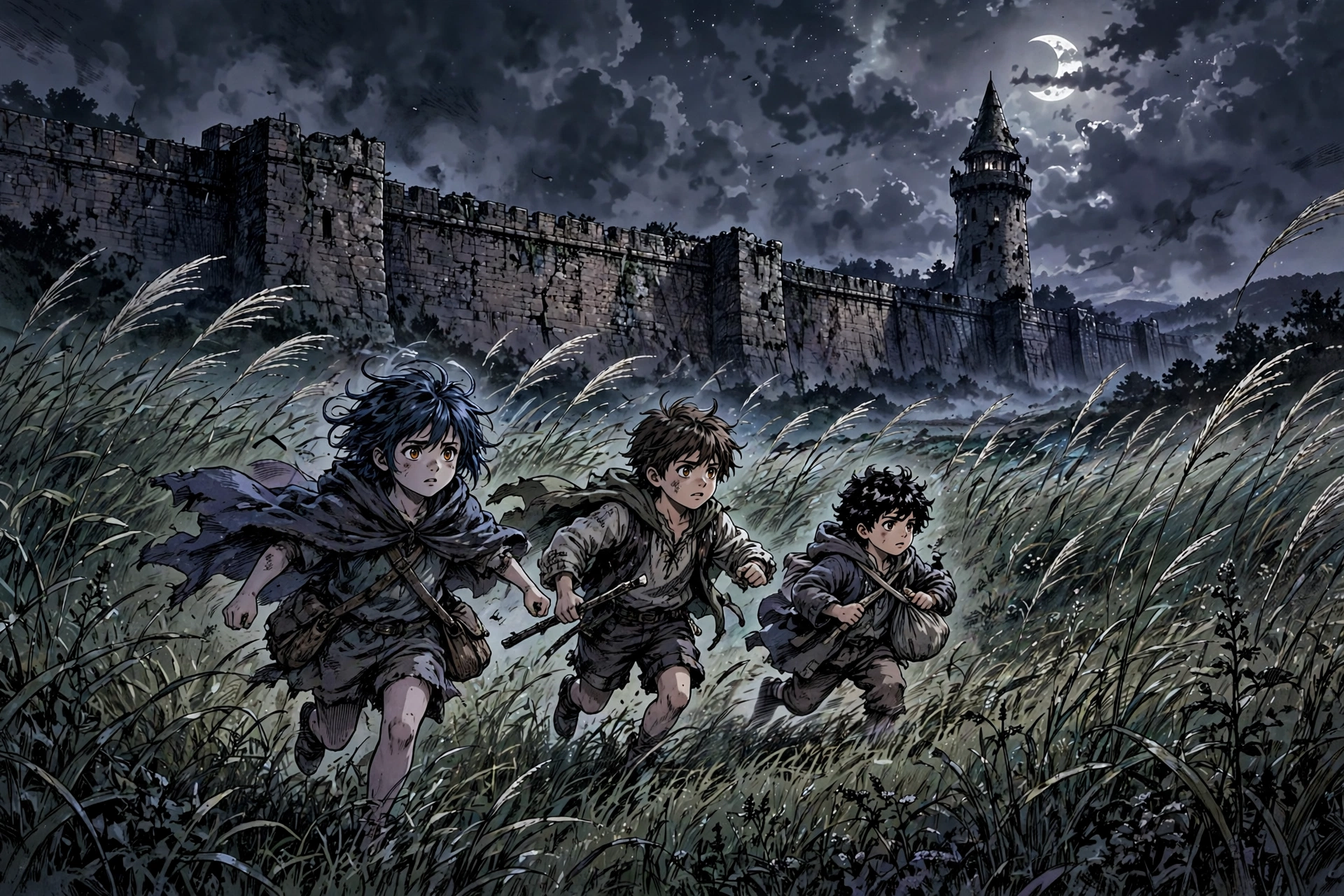

What if the orphanage you grew up in — the warm home with the kind caretaker, the siblings you love, the routine you trust — was a lie from the very beginning? The Promised Neverland manga, written by Kaiu Shirai and illustrated by Posuka Demizu, builds its entire story on that devastating question. It is a thriller about children who discover they are livestock, and their desperate, brilliant fight to escape.
Serialized in Weekly Shonen Jump, the series became one of the magazine’s standout hits of its era: a suspense-driven story where the weapons are intelligence, planning, and trust. The manga is fully complete, which makes right now the perfect time to read it from start to finish. This guide covers the story, the characters, the themes, and how to approach the series as a new reader.
The Story: Escape from Grace Field House
Grace Field House looks like paradise. Dozens of children live there under the care of “Mama” Isabella, a warm and attentive caretaker. They eat well, play freely, and take daily tests. The brightest kids — eleven-year-old Emma, Norman, and Ray — are the happiest of all. Then one evening, Emma and Norman break a rule and sneak out to return a forgotten stuffed toy to a sibling who was just “adopted.” What they find shatters everything.
Without spoiling the reveal that launches the series, the truth is this: the children are being raised as food for demons, and the idyllic orphanage is a farm. Adoptions are shipments. The tests measure the quality of the “product.” From that moment, the manga becomes a high-stakes escape thriller — three brilliant kids, all under twelve, plotting against a caretaker who is always one step ahead.
The first major arc — the escape from Grace Field — is widely considered one of the best sustained suspense sequences in modern shonen manga. Every chapter is a chess move: the kids plan, Isabella counters, the kids adapt. But the story does not end at the wall. What follows is a journey through a hostile world, the search for a mythical safe haven, and a deeper conspiracy about how the human and demon worlds came to be divided.
The Main Characters
Emma
The heart of the trio. Emma is athletic, impulsive, and fiercely loyal — the kind of person who refuses to leave anyone behind, even when logic says she should. Her empathy is both her greatest strength and her biggest liability, and the manga never stops testing it.
Norman
The strategist. Norman is the smartest of the three, a calm tactician who can outthink almost anyone. His plans drive the escape plot, and his arc takes him to the darkest places of any character in the series.
Ray
The insider. Ray has known the truth about Grace Field longer than anyone, and his cynicism masks a deep love for his friends. He is the trio’s realist — and the one most willing to consider terrible trade-offs.
Isabella (“Mama”)
One of manga’s great antagonists. Isabella is not a cartoon villain; she is a product of the same system she enforces, and her cat-and-mouse game with the children is the engine of the first act. Understanding her is key to understanding the series’ themes.
What Makes the Manga Special
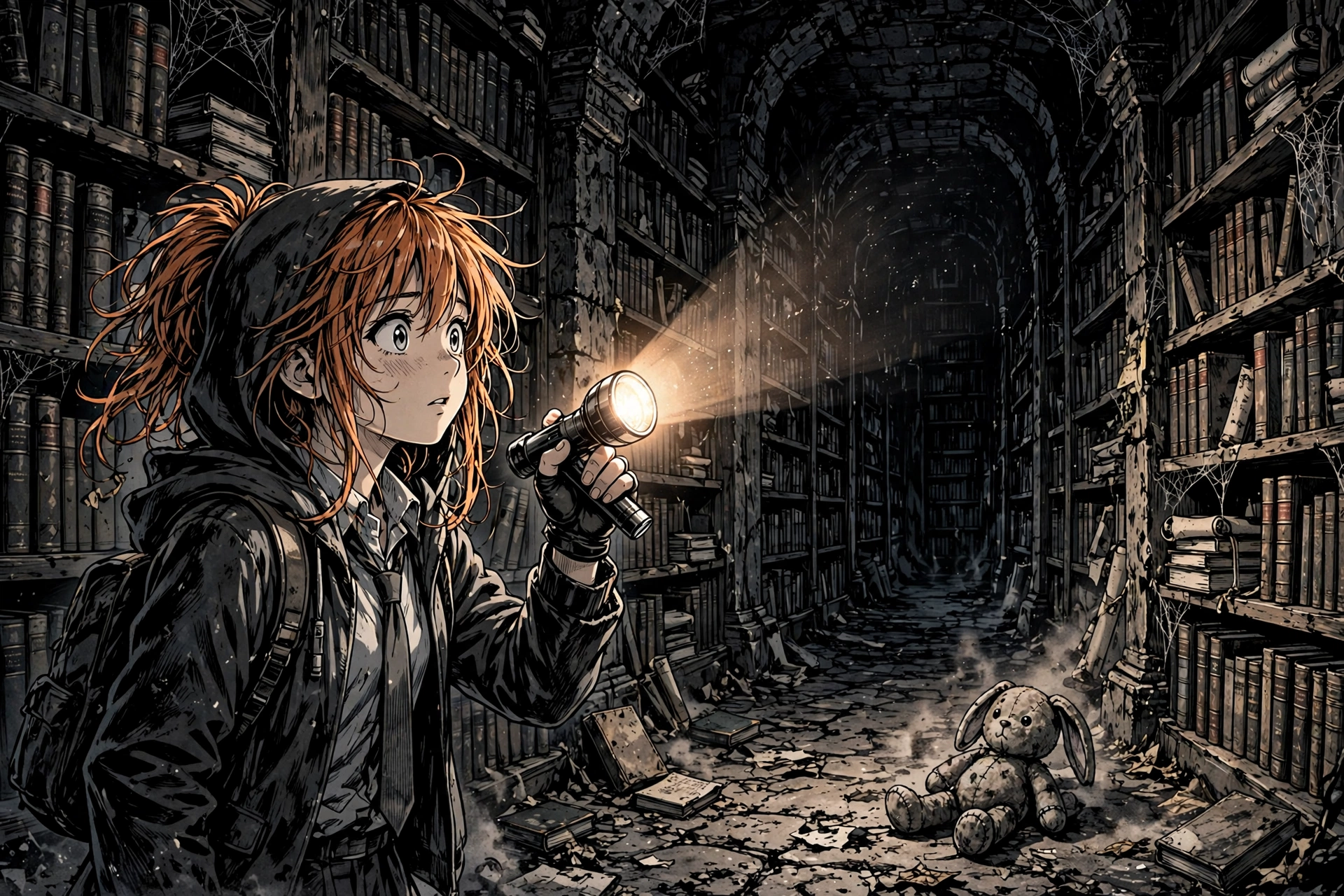
The Promised Neverland stands out in Shonen Jump history because it barely relies on action. The tension comes from information: who knows what, who is lying, what the next move is. Demizu’s art does extraordinary work here — a close-up of Isabella’s smiling face can be more frightening than any battle scene, and the series’ use of visual misdirection rewards careful rereading.
The worldbuilding is the other great strength. The farm system, the demon society with its own politics and factions, the history of the “Promise” that divided the worlds — it all unfolds gradually, with mysteries planted early paying off much later. The manga rewards readers who pay attention.
Core themes
- Freedom vs. safety: Is a comfortable cage better than a dangerous freedom? Every character answers differently.
- The cost of survival: The kids must decide what they are willing to sacrifice — and who they are willing to become — to live.
- Family, chosen and given: The sibling bonds at Grace Field are real even though the home is a lie, and the series treats that contradiction with real emotional weight.
- Breaking cycles: As the story expands, it becomes about whether an entire unjust system can be dismantled — or only escaped.
How to Read The Promised Neverland Manga
The series is complete, so you can binge it without waiting. A few tips for the best experience:
- Go in as unspoiled as possible. The early twists hit hardest with no warning. Avoid wikis, forums, and comment sections until you are caught up.
- Read the Grace Field arc in as few sittings as you can. The suspense compounds chapter to chapter; it is designed to be devoured.
- Pay attention to the art. Demizu hides clues in backgrounds and expressions. Details you skim past in chapter ten can become crucial in chapter one hundred.
- Stick with it past the escape. Some readers find the post-escape arcs slower, but the worldbuilding payoff in the later volumes is worth it — and the finale brings the story full circle.
- Support the official release. The licensed English edition is available through VIZ’s official Promised Neverland page, with the translation the creators’ team intended.
Manga vs. Anime: An Important Note
The first season of the anime faithfully adapts the Grace Field escape arc and is genuinely excellent. The second season, however, heavily condensed and altered the rest of the story, skipping major arcs and changing the ending. This is one of the clearest cases in recent memory where the manga is the definitive version. If you watched the anime and felt the story ended too fast or too neatly, the manga is where the real story lives.
Frequently Asked Questions
Is The Promised Neverland manga finished?
Yes, the manga is complete from start to finish. You can read the entire story without waiting for new chapters.
Is it scary or gory?
It is a suspense thriller, not a horror manga. There are dark moments and genuine dread, but the scares are psychological — built on tension and revelation rather than gore.
Do I need to read it if I watched the anime?
Strongly recommended. The anime’s second season skipped and rewrote large portions of the story. The manga contains entire arcs, characters, and a different ending that anime-only viewers never saw.
What age group is it for?
It ran in Weekly Shonen Jump, aimed at teen readers. The themes are dark but handled thoughtfully; younger readers may find the premise disturbing, so parents should be aware of the “children as livestock” setup.
Final Thoughts
The Promised Neverland manga is that rare thriller that is as smart as it is emotional. It starts with a perfect hook, sustains its tension through careful plotting and gorgeous art, and lands on an ending that honors its characters. For readers who like their manga with brains, heart, and genuine stakes, it belongs near the top of the list.
Fans of clever kids outsmarting impossible odds should also check out our guide to the Assassination Classroom manga, another completed series about students taking on a seemingly unbeatable opponent.
